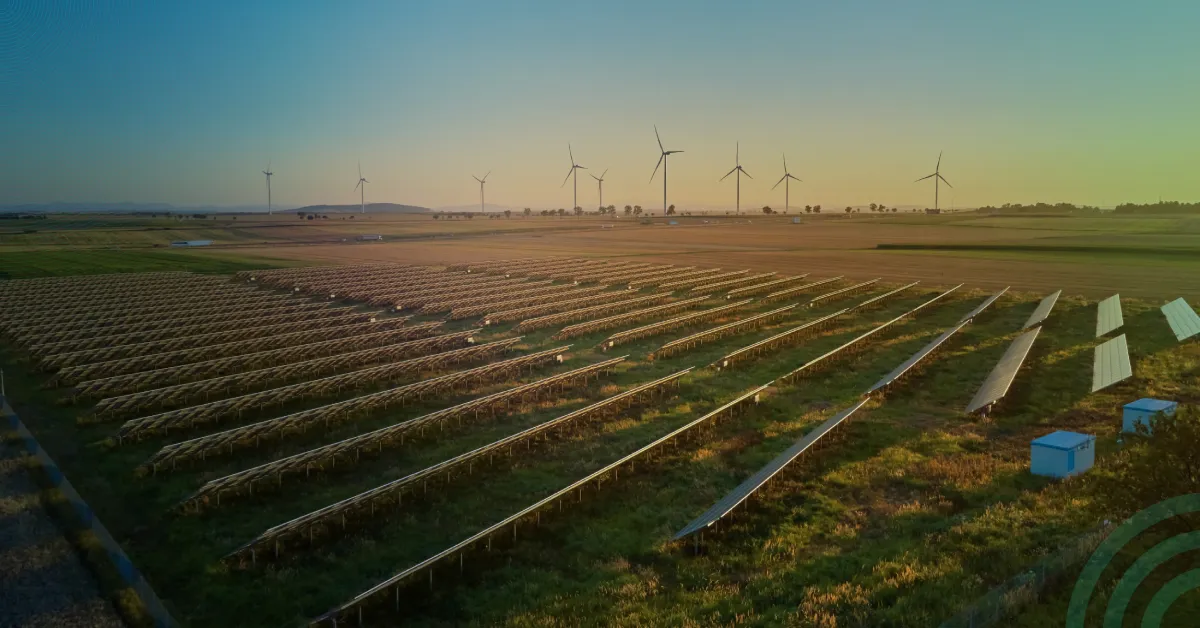
The Global Carbon Council (GCC) has opened a public consultation on the revised version of its methodology, GCCM001 V5.0: Methodology for Renewable Energy Generation Projects Supplying Electricity to Grid or Captive Consumption, inviting stakeholders to provide input and feedback.
This revised version introduces targeted updates to enhance emissions accounting, strengthen additionality assessment, and integrate digital monitoring approaches, while expanding applicability to evolving renewable energy and storage systems.
About Methodology
The methodology applies to renewable energy generation projects that supply electricity to the grid or to captive users, displacing electricity that would otherwise be generated from grid connected more emission-intensive sources.
Eligible project types include:
- Solar photovoltaic (PV).
- Onshore and offshore wind.
- Hydro power projects.
- Tidal and wave energy systems.
The methodology also supports integration with energy storage systems such as:
- Battery Energy Storage Systems (BESS).
- Pumped Hydro Storage Plants (PSPs).
These systems enable efficient storage and dispatch of renewable energy, improving grid flexibility and supporting higher penetration of clean energy.
Key Updates in the Revised Version
Ex-post monitoring of grid emission factors
The revised methodology introduces ex-post determination of grid emission factors, replacing the earlier fixed ex-ante approach. The ex-post factor incorporates up-to-date data, more accurately reflecting actual conditions during the project period.
This ensures that emission reductions are calculated using actual grid data over time, improving the accuracy and reliability of results.
Strengthened additionality requirements
The revision removes references to simplified additionality approaches based on positive lists Tool32.
Project owners are required to demonstrate project-specific additionality, ensuring that only genuinely additional projects are eligible under the methodology.
Introduction of Digital MRV (DMRV) requirements
The methodology incorporates Digital Monitoring, Reporting, and Verification (DMRV) requirements for key parameters.
These include:
- Automated data collection and reporting.
- Integration with digital platforms.
- Improved transparency and verification efficiency.
Expanded applicability to hydropower projects
The revised version extends applicability to include grid-connected hydro power plants.
Appropriate provisions are included to account for emissions associated with reservoirs, ensuring environmental integrity is maintained.
Inclusion of Pumped Hydro Storage Plants (PSPs)
The methodology now allows Greenfield PSPs operating in conjunction with renewable energy plants, with flexible configurations:
- A PSP may be connected with renewable energy plant via grid.
- Such renewable energy plants may also be integrated with on-site BESS.
This supports advanced renewable energy systems that enhance grid stability and optimize energy use.
Accounting for refrigerant emissions in BESS
The revised methodology includes GHG emissions from refrigerant and fire-suppressing agents systems in BESS projects as part of project emissions.
These emissions are accounted for during:
- Initial charging.
- Testing and maintenance.
- Leakage during any incidence
This ensures a more comprehensive and conservative approach to emissions accounting.
Scope and Applicability
The methodology applies to:
- Renewable energy generation projects supplying electricity to grid or captive users.
- Projects integrated with BESS or PSP or both systems.
- Projects displacing grid electricity under defined baseline conditions
Project activities must ensure:
- No use of fossil fuel-based co-generation systems.
- Controlled use of grid electricity for storage systems under defined conditions.
- Compliance with applicable regulatory and technical requirements.
Ensuring Integrity and Transparency
The revised methodology incorporates safeguards to ensure high integrity, including:
- Conservative baseline setting.
- Inclusion of additional emission sources.
- Clear project boundary definitions.
- Integration of digital monitoring systems.
These provisions support transparent and reliable quantification of emission reductions.
Call for Stakeholder Feedback
GCC invites stakeholders, including project developers, Validation and Verification Bodies (VVBs), policymakers, and carbon market participants, to review the revised methodology and provide feedback during the consultation period.
Inputs received will play a key role in finalizing the methodology and ensuring it reflects practical implementation realities while maintaining the highest standards of environmental integrity.
How to Participate in the Public Consultation
📅 Public consultation period:
🗓 Deadline to comment: 15th May 2026
✉️ Submit comments to: operations@globalcarboncouncil.com
All submissions will be reviewed by GCC’s Regulatory Committees during the finalization process.