GCC Digital MRV Hub

What is Digital MRV?

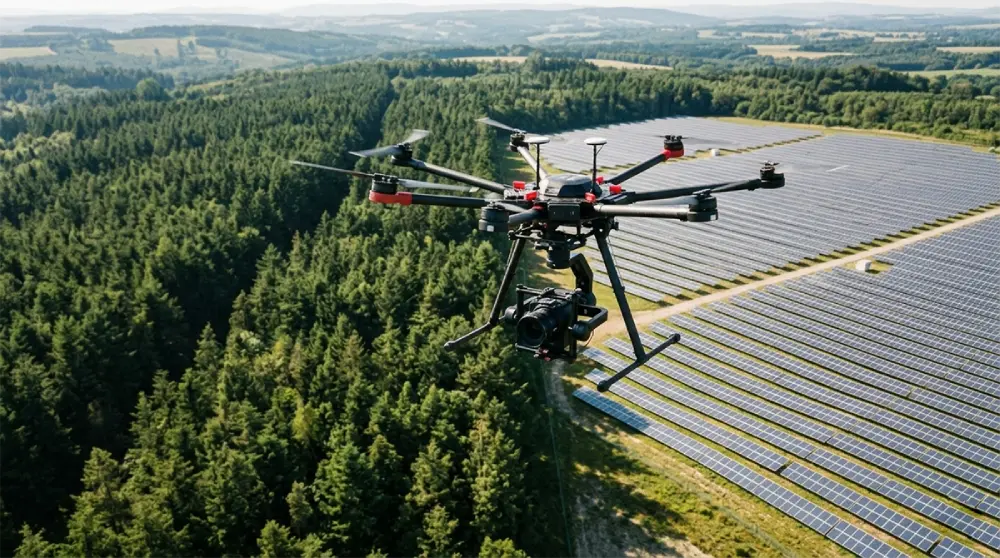
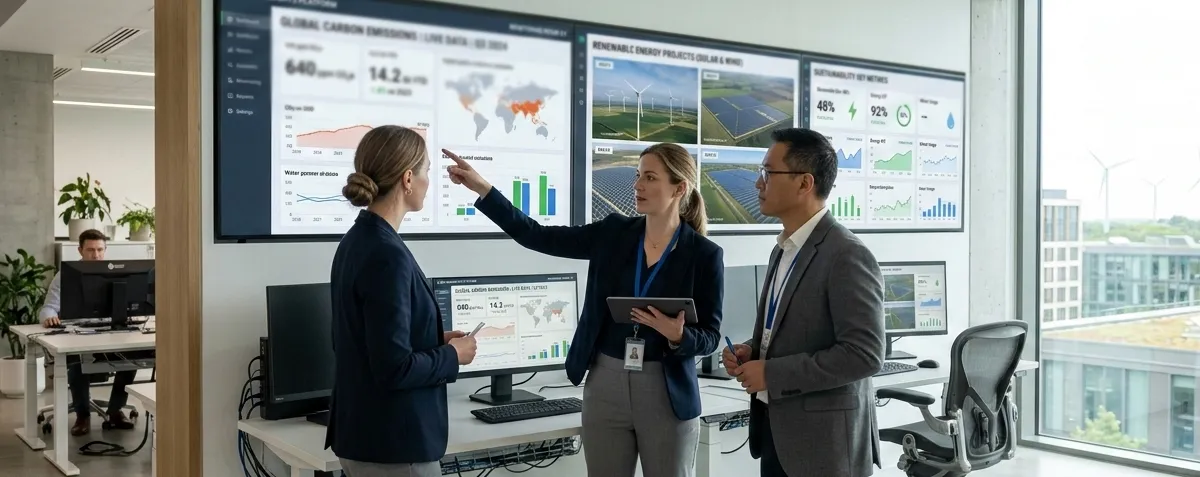
Digital MRV (Monitoring, Reporting, and Verification) is transforming how carbon projects are tracked and verified. Unlike traditional MRV, which depends on periodic site visits and manual reporting and verification, Digital MRV uses modern technologies such as satellite imagery, drones, IoT devices , Smart meter solutions and AI-powered analytics to enable continuous and automated monitoring of Projects and collation of data to ensure data integrity and high integrity of credits generated from the same.
Think of it as the difference between an annual inspection and real-time performance tracking. This live visibility makes carbon projects more transparent, Trust-worthy, efficient, and acceptable to the stakeholders.

Why Digital MRV Matters

Carbon markets are built on trust. Buyers need confidence that every carbon credit represents a real, additional, and lasting emissions reduction. Traditional MRV can be slow, expensive, and limited in reach, which often excludes smaller or community-based projects.

Digital MRV changes this by making verification more accessible and scalable, allowing real time monitoring of diverse projects to participate in carbon markets while maintaining high environmental integrity.

Digital MRV helps ensure:

  • Higher confidence in carbon credit quality
  • Reduced risk of misreporting and double counting.
  • Reduced risk of data tampering
  • Ongoing visibility of project performance and transparency of operations.
  • Inclusion of small and community-based projects
  • Stronger transparency for buyers, regulators, and stakeholders

How Digital MRV Works

Digital MRV combines use of smart measuring solutions combined with robust data management system and technologies thus ensuring continuous stream of reliable information.

At a glance, Digital MRV includes:

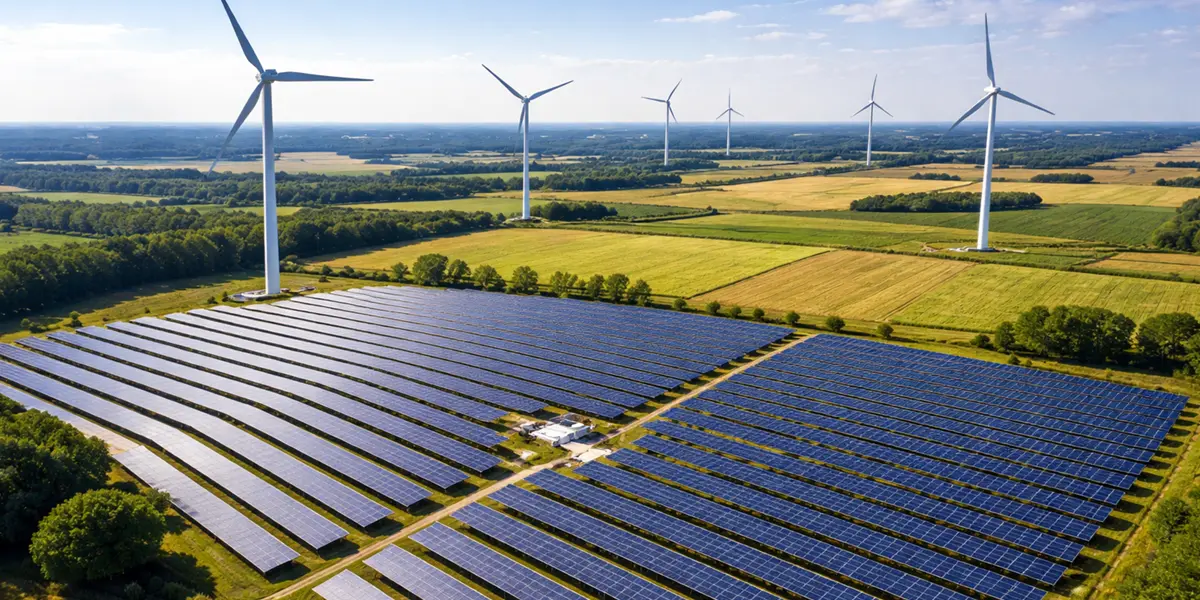
  • Satellite imagery to monitor forest cover, land use, and environmental change
  • Ground sensors to measure soil carbon, air quality, or energy output
  • Drones to capture detailed project-level imagery
  • Smart meters / accessories to monitor activity level generation details.
  • Intelligent project monitoring solutions like SCADA.
  • Automated systems to compile structured reports
  • AI analytics to cross-check data and flag inconsistencies

This  reduces human error, accelerates  data verification, strengthens traceability of data from credit to activity level, data encryption thus ruling out tampering of data, online QA/QC of data and ensuring that each carbon credit is supported by real-world, measurable impact.How GCC is Advancing Digital MRV

GCC is actively driving the adoption and integration of Digital MRV solutions to strengthen carbon market integrity and accessibility. GCC’s initiatives include:

Development of DMRV-Aligned Methodologies:

GCC has launched public consultations on new Digital MRV-driven methodologies — for example, for clean cooking transitions and community electrification — that integrate digital monitoring as a core part of carbon accounting. These methodologies combine automated data capture, verification rigor, and scalable emission reduction quantification.

  • DMRV Solution Provider Approval Framework:
    GCC has published the first formal Procedure for Approval of DMRV Solution Providers, a pioneering step in the voluntary carbon market. This framework enables trusted technology partners (e.g., data platforms or sensor providers) to be pre-approved and integrated with GCC’s project workflows, accelerating real-time data collection, transparency, and faster credit issuance.
  • Growing Digital MRV Ecosystem Participation:
    GCC has invited digital MRV solution providers to engage with the Council, signifying industry interest in digital infrastructure to support scalable monitoring and robust data integrity.

These efforts reflect GCC’s broader mandate to build high-integrity, technology-enabled carbon markets that support reliable climate action and stakeholder confidence.

Benefits of Digital MRV

Digital MRV delivers value across the entire carbon market ecosystem:

  • Transparency: Near real-time tracking of project performance
  • Efficiency: Faster verification and lower operational costs
  • Scalability: Ability to monitor large numbers of projects, even in remote areas
  • Credibility: Stronger assurance that credits are genuine and verifiable
  • Market confidence: Increased trust among buyers and investors

Challenges and GCC’s Path Forward

While digital MRV brings major advantages, challenges such as the need for more standardized protocols, technical expertise, and upfront investment remain. GCC is addressing these by:

  • Creating DMRV-enabled methodologies
  • Developing approval standards for DMRV solution providers
  • Leveraging cloud-based platforms, AI analytics, and remote sensing

These innovations are making Digital MRV more effective, affordable, and accessible for carbon project developers worldwide.

Looking Ahead

Digital MRV is shaping the future of high-integrity carbon markets by setting new standards for quality, transparency, and accountability. GCC’s ongoing work — from methodology development and solution provider frameworks to stakeholder engagement — reinforces its leadership in digital market infrastructure and supports robust climate action worldwide.

At GCC, digital MRV ensures that every carbon credit is credible, effective, and globally trusted. By combining innovation, transparency, and technology, GCC enables projects of all sizes to deliver real climate impact and strengthens confidence across international carbon markets.

The Global Carbon Council (GCC) is actively establishing a comprehensive ecosystem to enable the integration of Digital MRV solutions into carbon mitigation projects under the GCC Program. This initiative supports the adoption of advanced technologies while ensuring high environmental integrity and robust verification standards.

As part of this mandate, GCC has undertaken the following key actions:

  • Development of a dedicated Carbon Standard for Digital MRV-enabled projects, enabling project registration and issuance using automated and technology-driven monitoring systems.
  • Establishment of a Validation and Verification Standard (VVS) tailored for projects applying Digital MRV solutions, ensuring consistency, transparency, and technical rigor.
  • Re-approval and capacity building of Verifiers (VVBs) to assess projects that utilize Digital MRV technologies and digital data streams.
  • Creation of protocols for the acceptance and integration of Digital MRV systems, including procedures for data security, traceability, and quality assurance.
  • Launch of the Procedure for Approval of Digital MRV Solution Providers, defining eligibility and technical requirements for technology providers supporting GCC projects.

✅ Approved / Provisionally Approved Providers

As part of its mandate to build a robust Digital MRV ecosystem, GC publishes an initial list of Digital MRV Solution Providers that have undergone a preliminary review in accordance with the GCC Procedure for Approval of DMRV Solution Providers.

These providers demonstrate the technical capability to collect, manage, validate, and securely transmit monitoring data in line with GCC requirements for Digital MRV-enabled carbon mitigation projects.
 

Initial List of Providers

Entity NameTrack AppliedDMRV Sectoral ScopeCorresponding GCC GHG Sectoral ScopeSolution NameWebsiteApproval StatusCertificate
Next Green Tech Ltd.Track IIDMRV Sectoral Scope #1GHG Sectoral Scope #1, #2 & #3TRACEVisit WebsiteProvisional DMRV Solution ProviderDownload Certificate
Carbon AITrack I (upon application)To be confirmedTo be confirmedTo be confirmedVisit WebsiteUnder Review

Provider Profile – Next Green Tech Ltd.

FieldDetails
Entity NameNext Green Tech Ltd.
Track AppliedTrack II
DMRV Sectoral ScopeDMRV Sectoral Scope #1
Corresponding GCC GHG Sectoral ScopeGHG Sectoral Scope #1, #2 & #3
Solution NameTRACE
Websitehttps://nextgreenx.com/solutions/trace
Approval StatusProvisional DMRV Solution Provider

Overview:

TRACE is a digital MRV platform designed to collect, validate, and securely manage project monitoring data through automated systems. The solution demonstrates real-time data acquisition, role-based access control, tamper-proof data handling, and API-based integration with the GCC project portal. TRACE enables reliable monitoring of measuring devices, calibration records, and audit trails, ensuring transparency and integrity across project data flows.

Standard Disclaimer

The above list includes Digital MRV Solution Providers that have successfully completed GCC’s preliminary review process. Provisional approval does not constitute full accreditation and remains subject to continued compliance with GCC procedures and performance requirements. Additional providers may be added as applications are reviewed and approved.

The Global Carbon Council (GCC) has established a structured and transparent approval framework to integrate Digital MRV solutions into carbon mitigation projects while maintaining high standards of data integrity, verification, and environmental credibility.

This framework ensures that only qualified and reliable Digital MRV Solution Providers are authorized to support projects registered under the GCC Program.

How Digital MRV Solution Providers Join the GCC Program

GCC offers two application tracks:

  1. Track 01 — GCC Project–Associated
    Solution Providers demonstrate their Digital MRV capabilities through a GCC Project Activity using a DMRV-enabled GCC methodology.
  2. Track 02 — Stand-Alone Solution Provider
    Solution Providers demonstrate their Digital MRV capabilities on projects outside the GCC Carbon Standard, provided they align with the requested DMRV sectoral scope and technical requirements.

Each applicant must define:

  • Applicable DMRV sectoral scope.
  • Supported methodologies.
  • Data collection devices and monitoring systems.
  • Data transmission and cybersecurity protocols.
  • Analytics and quality control measures.
  • Reporting standards.
  • Access rights, confidentiality, and legal compliance.

How DMRV Solution Providers Join the GCC Program

GCC has structured the approval process around two application tracks:

  1. Track 01 — GCC Project–Associated
    Providers demonstrate their DMRV Solution capabilities through a GCC project using a DMRV-enabled GCC methodology.
  2. Track 02 — Stand-Alone Solution Provider
    DMRV Solution Providers demonstrate capability on projects outside GCC Carbon Standard but aligned with the requested sectoral scope.

Each provider must clearly define their DMRV sectoral scope, applied methodologies, data collection devices, data transfer protocols, analytics, risk controls, reporting standards, confidentiality, access rights, and legal/regulatory compliance.

Review and Approval Process

Applications are evaluated through a multi-step process that includes:

  • Initial completeness and eligibility screening  by GCC.
  • Technical expert review, including a live demonstration of the solution.

Payment of the assessment fee prior to evaluation.Live Demonstration of the solution to GCC and the expert group. Or Final recommendation by GCC expert groups.

Approved solution providers are published  on the GCC web portal. Approvals are valid for three years. Post-approval, they are subject to  ongoing performance monitoring and periodic spot checks to ensure continued compliance with GCC requirements.

Benefits for the Carbon Market Ecosystem

By formalizing this approval pathway, GCC enables:

  • Access to pre-approved and trusted DMRV solution providers for project developers.
  • Secure, tamper-resistant, and real-time, project data for transparency.
  • Faster and more accurate carbon credit issuance.
  • Scalable adoption of next-generation digital MRV solutions.
  • Enhanced trust and credibility across the voluntary carbon market

Join the GCC Digital MRV Program

DMRV solution providers interested in joining the GCC program can download the procedure PDF and submit an initial application for approval.
FieldDetailsLink
GCCNMT016Energy Access Program: Methodology for Clean Cooking Transitions using DMRV Protocol (under PC) Read more
GCCNMT017Energy Access Program: Integrated Methodology for electrification of communities using DMRV Protocol (under PC) Read more
Requirement Documents
Procedural Documents
Methodologies and Tools
Templates and Forms
Information Documents