Global Carbon Council and CIFOR-ICRAF Unite to Bridge $7 Trillion Nature-Finance Gap
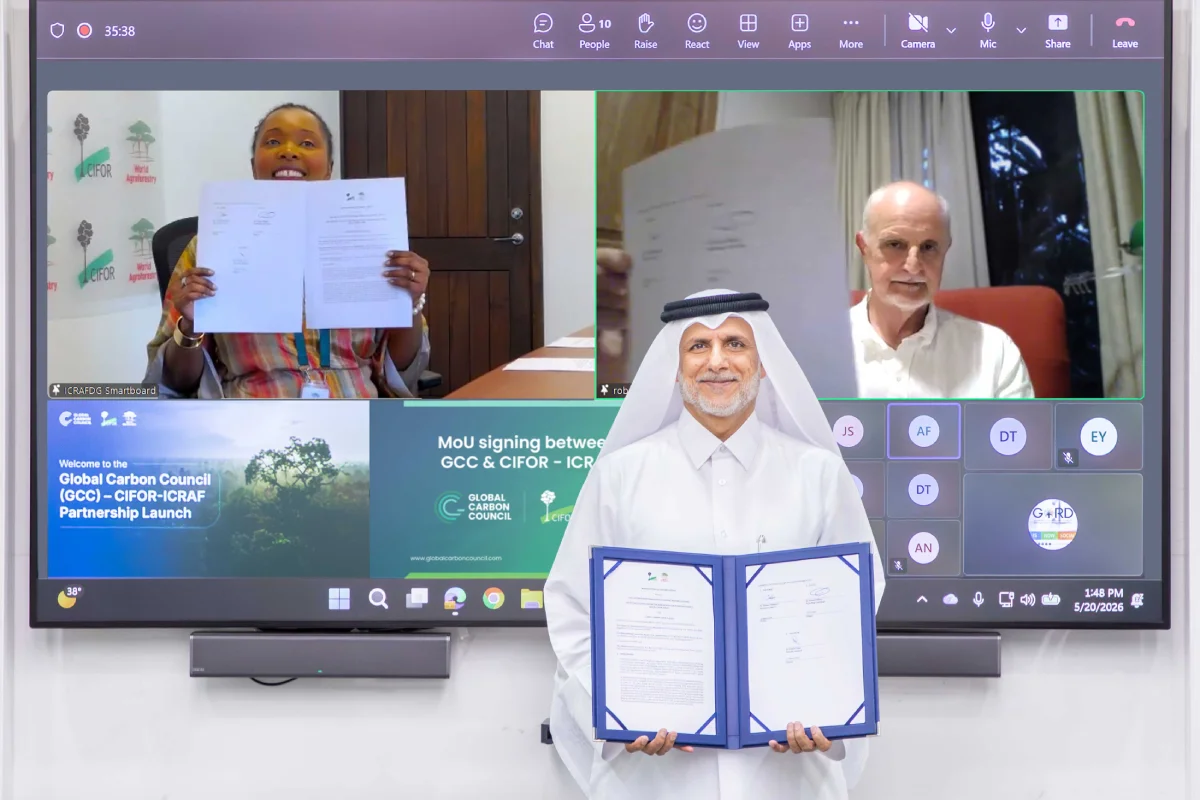
The Global Carbon Council (GCC) – an independent, internationally recognized carbon crediting standard in the Global South – has entered into a Memorandum of Understanding (MoU) with the Center for International Forestry Research and World Agroforestry (CIFOR-ICRAF), which is part of the CGIAR system and a leading international tree, forestry and agroforestry research organization working in more than 90 countries. This MOU unites the technical expertise of GCC with the world-class scientific research of CIFOR-ICRAF to accelerate the implementation of high-integrity Nature-based Solutions (NbS) and strengthen the environmental integrity of the global carbon marketplace.
This partnership arrives at a critical juncture for global climate finance. According to the 2026 UNEP State of Finance for Nature report, the world is currently facing a staggering imbalance in capital allocation. In 2023, funding flows that damage nature totaled US$7.3 trillion, vastly outweighing the US$220 billion directed toward nature-based solutions, creating an imbalance of over 30 to 1. In effect, for every $1 invested in protecting nature, approximately $30 is still directed toward nature-negative activities. This stark disparity has inadvertently accelerated the demand for credible, transparent, and scientifically grounded climate action, as stakeholders increasingly seek high-integrity pathways to redirect capital toward nature-positive outcomes.
By aligning with the GCC’s robust carbon crediting framework, which recently received approval from the Integrity Council for the Voluntary Carbon Market (ICVCM), the partnership aims to bridge the gap between rigorous environmental science and market-credible climate finance. The collaboration will focus on advancing international outreach, policy dialogue, and technical assistance to support stakeholders in navigating both voluntary and compliance carbon markets.
Emphasizing the strategic necessity of this alliance, Dr. Yousef Alhorr, Founding Chairman of GCC said, “The core objective of our partnership with CIFOR-ICRAF is to build the transparency and technical assurance essential for both public and private sectors to invest confidently in the planet’s natural capital. In a context where much of the global finance flows toward nature-destructive activities, our collaboration will be instrumental in developing high-integrity baseline methodologies that reflect the unique ecological and social landscapes of the MENA region and beyond, ultimately closing the finance gap and accelerating our collective progress toward the goals of the Paris Agreement.”
“This collaboration underscores the importance of elevating science and solutions from the Global South in shaping the future of carbon markets, across both terrestrial and coastal wetland ecosystems, including peatlands and mangroves,” said CIFOR-ICRAF Chief Executive Officer, Dr. Eliane Ubalijoro. “By grounding climate action in strong evidence and local realities, we can support more equitable, effective pathways that benefit both people and the planet.”
Under the MoU, the organizations will collaborate to advance international outreach, policy dialogue, capacity development, and technical assistance on key issues related to high-integrity and inclusive carbon markets, NbS and climate finance. The partnership is designed to support governments, project developers, and private sector actors in enhancing participation in global carbon markets, while also addressing the growing need for robust methodologies and monitoring frameworks. The agreement further establishes a platform for the exchange of data, knowledge, and technical expertise to ensure that climate interventions are underpinned by strong scientific evidence and deliver measurable environmental and socio-economic benefits.
A key focus of the collaboration remains the expansion of NbS initiatives, particularly in regions where climate vulnerability intersects with development priorities. Through coordinated efforts with regional research partners, the entities will work to identify and scale mitigation activities that are both scientifically robust and socially equitable. This includes a dedicated exchange of data and expertise to develop sophisticated baseline and monitoring methodologies, ensuring that nature-based mitigation activities under the GCC Program adhere to the highest standards of environmental integrity.
CIFOR-ICRAF’s work integrates environmental, economic and social dimensions by applying a landscape approach to develop nature-based solutions, from zero-deforestation agroforestry to landscape restoration and sustainable food systems, contributing to climate protection, biodiversity conservation and improved livelihoods. Through this collaboration, GCC and CIFOR-ICRAF aim to accelerate the deployment of credible, scalable climate solutions that deliver tangible benefits for communities, ecosystems, and global climate goals.
للمساهمة في سد فجوة تمويل الطبيعة المقدّرة بـ7 تريليونات دولار: تحالف استراتيجي بين المجلس العالمي للبصمة الكربونية و مركز البحوث الحرجية الدولية والمركز العالمي للحراجة الزراعية
وقّع المجلس العالمي للبصمة الكربونية (GCC)، وهو برنامج مستقل معترف به دولياً في مجال إصدار أرصدة الكربون في دول الجنوب العالمي، مذكرة تعاون استراتيجية مع مركز البحوث الحرجية الدولية والمركز العالمي للحراجة الزراعية (CIFOR-ICRAF)، وهو تحالف دولي متخصص في أبحاث الأشجار والغابات والزراعة الحرجية ينشط في أكثر من 90 دولة، وذلك بهدف تسريع وتيرة تنفيذ الحلول القائمة على الطبيعة(NbS) ، وتعزيز النزاهة البيئية في أسواق الكربون العالمية.
ويأتي هذا التعاون في مرحلة مفصلية على صعيد تمويل الطبيعة والعمل المناخي عالمياً. فوفقًا لتقرير برنامج الأمم المتحدة للبيئة(UNEP) لعام 2026 بشأن “حالة تمويل الطبيعة”، يواجه العالم حاليًا اختلالًا صارخًا في تخصيص رأس المال. ففي عام 2023، بلغ إجمالي التدفقات المالية الموجهة لأنشطة مضرة بالطبيعة نحو 7.3 تريليون دولار أمريكي، مقارنة بـ220 مليار دولار فقط تم توجيهها إلى الحلول القائمة على الطبيعة، ما خلق فجوة تتجاوز الثلاثين ضعفاً. وبعبارة أخرى، مقابل كل دولار واحد يُستثمر في حماية الطبيعة، لا يزال نحو ثلاثين دولاراً يُوجَّه إلى أنشطة تؤثر سلباً عليها.
وقد أسهم هذا التفاوت الحاد في زيادة الحاجة إلى إجراءات مناخية موثوقة وشفافة وقائمة على أسس علمية، في وقت تسعى فيه الأطراف المعنية بشكل متزايد إلى إيجاد مسارات عالية النزاهة لإعادة توجيه رأس المال نحو نتائج إيجابية للحفاظ على الطبيعة.
ومن خلال مواءمة الجهود مع البرنامج الدولي المعتمد لإصدار أرصدة الكربون التابع للمجلس العالمي للبصمة الكربونية، الحاصل مؤخراً على اعتماد مجلس النزاهة لسوق الكربون الطوعي (ICVCM)، تهدف الشراكة إلى ردم الفجوة بين العلوم البيئية الدقيقة ومتطلبات التمويل المناخي الموثوق في الأسواق. وسيركز التعاون على تعزيز الانتشار الدولي، والحوار بشأن السياسات، وتقديم الدعم الفني لمساعدة الأطراف المعنية في التعامل مع أسواق الكربون الطوعية وأسواق الامتثال على حد سواء.
وأكد الدكتور يوسف بن محمد الحر، رئيس مجلس إدارة المجلس العالمي للبصمة الكربونية، الأهمية الاستراتيجية لهذا التعاون، قائلًا: “يتمثل الهدف الأساسي لشراكتنا مع مركز CIFOR-ICRAF في بناء الشفافية والضمانات الفنية الضرورية لتمكين القطاعين العام والخاص من الاستثمار بثقة في رأس المال الطبيعي لكوكب الأرض. وفي ظل واقع تتجه فيه نسبة كبيرة من التدفقات المالية العالمية نحو أنشطة مدمرة للطبيعة، سيكون لتعاوننا دور محوري في تطوير منهجيات مرجعية عالية النزاهة تعكس الخصوصيات البيئية والاجتماعية الفريدة لمنطقة الشرق الأوسط وشمال أفريقيا وغيرها، بما يسهم في تقليص فجوة التمويل وتسريع التقدم الجماعي نحو تحقيق أهداف اتفاق باريس”.
من جانبها، قالت الدكتورة إليان أوباليجورو، الرئيسة التنفيذية لمركز البحوث الحرجية الدولية والمركز العالمي للحراجة الزراعية (CIFOR-ICRAF): “تؤكد هذه الشراكة أهمية الارتقاء بالعلوم والحلول النابعة من دول الجنوب العالمي في تشكيل مستقبل أسواق الكربون، عبر النظم البيئية للأراضي الرطبة البرية والساحلية، بما في ذلك أراضي الخث (المستنقعات) وأشجار المانغروف (القرم). ومن خلال ترسيخ العمل المناخي على أسس علمية وواقعية، يمكننا دعم مسارات أكثر عدلاً وفعالية تعود بالنفع على الإنسان وكوكب الأرض.”
وبموجب مذكرة التفاهم، سيتعاون الطرفان لتعزيز التواصل الدولي، والحوار بشأن السياسيات، وبناء القدرات، وتقديم المساعدة الفنية بشأن القضايا الرئيسية المرتبطة بأسواق الكربون عالية النزاهة، والحلول القائمة على الطبيعة، وتمويل المناخ. كما تهدف الشراكة إلى دعم الحكومات، ومطوري المشاريع، والجهات الفاعلة في القطاع الخاص لتعزيز مشاركتهم في أسواق الكربون العالمية، إلى جانب تلبية الحاجة المتزايدة إلى منهجيات قوية وأطر فعالة للرصد والمتابعة. وتنص الاتفاقية كذلك على إنشاء منصة لتبادل البيانات والمعرفة والخبرات الفنية، بما يضمن استناد التدخلات المناخية إلى أدلة علمية قوية وتحقيق فوائد بيئية واجتماعية واقتصادية قابلة للقياس.
ويركز التعاون بشكل خاص على توسيع مبادرات الحلول القائمة على الطبيعة، لا سيما في المناطق التي تتقاطع فيها الهشاشة المناخية مع الأولويات التنموية. ومن خلال جهود منسقة مع شركاء البحوث الإقليميين، سيعمل الطرفان على تحديد وتوسيع نطاق أنشطة التخفيف من آثار التغير المناخي، بما يضمن صرامتها من الناحية العلمية وعدالتها من الناحية الاجتماعية. ويتضمن ذلك تبادلا مكثفا للبيانات والخبرات لتطوير منهجيات متقدمة لتحديد الخطوط المرجعية وعمليات الرصد، مما يضمن التزام أنشطة التخفيف القائمة على الطبيعة وفقا لبرنامج المجلس العالمي للبصمة الكربونية وبأعلى معايير النزاهة البيئية.
ويهدف المجلس العالمي للبصمة الكربونية ومركز (CIFOR-ICRAF)، من خلال هذا التعاون، إلى تسريع وتيرة نشر حلول مناخية موثوقة وقابلة للتطوير، وتحقق فوائد ملموسة للمجتمعات المحلية، والنظم البيئية، والأهداف المناخية العالمية.
والجدير بالذكر أن مركز البحوث الحرجية الدولية والمركز العالمي للحراجة الزراعية (CIFOR-ICRAF)، التابع لـ”المجموعة الاستشارية للبحوث الزراعية الدولية ” (CGIAR)، هو منظمة دولية متخصصة في أبحاث الأشجار والغابات والزراعة الحرجية، وينشط في أكثر من 90 دولة. وتدمج أعماله بين الأبعاد البيئية والاقتصادية والاجتماعية من خلال تطبيق نهج المناظر الطبيعية لتطوير حلول قائمة على الطبيعة، بدءًا من الحراجة الزراعية الخالية من إزالة الغابات، وصولًا إلى استعادة المناظر الطبيعية وبناء نظم غذائية مستدامة، بما يسهم في حماية المناخ، والحفاظ على التنوع البيولوجي، وتحسين سبل العيش.