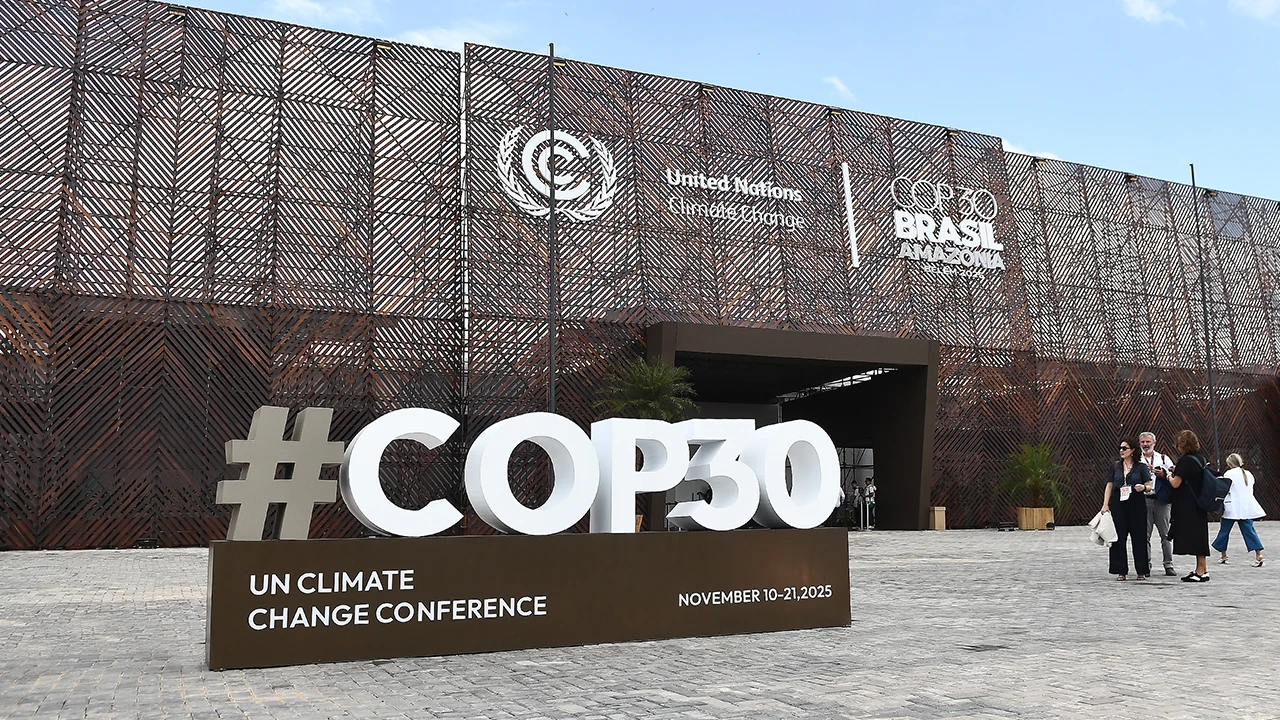
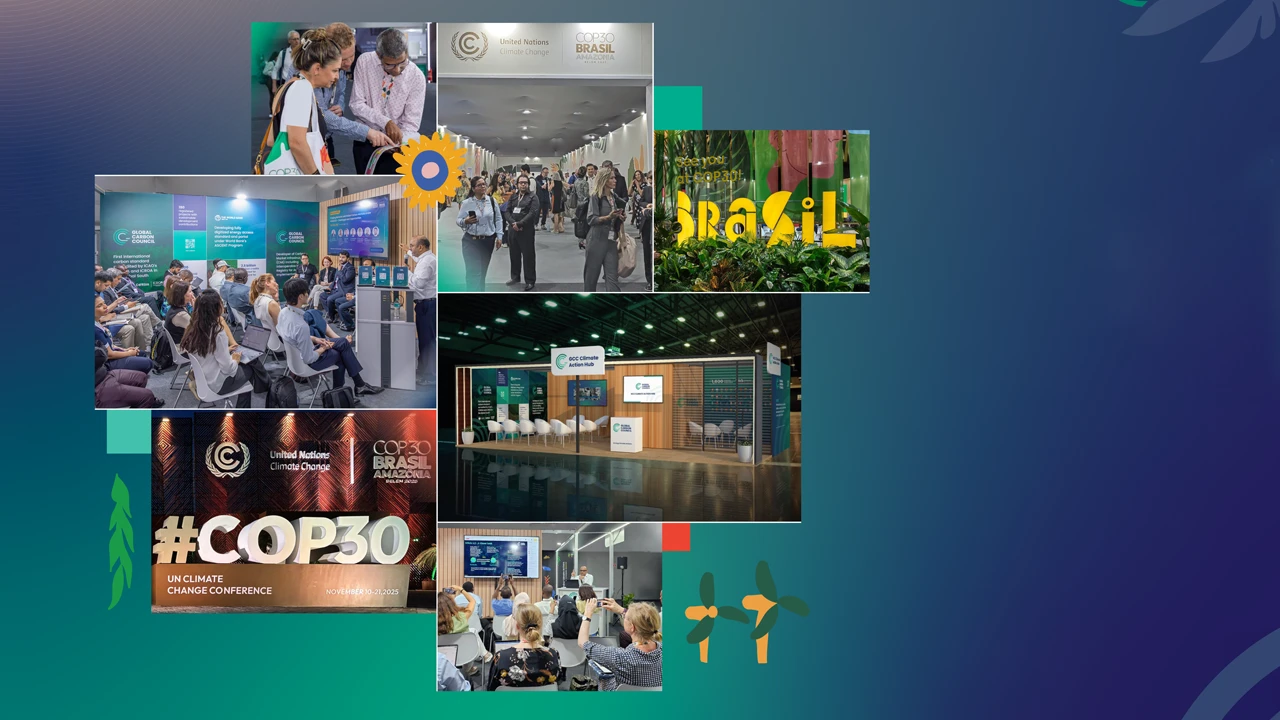
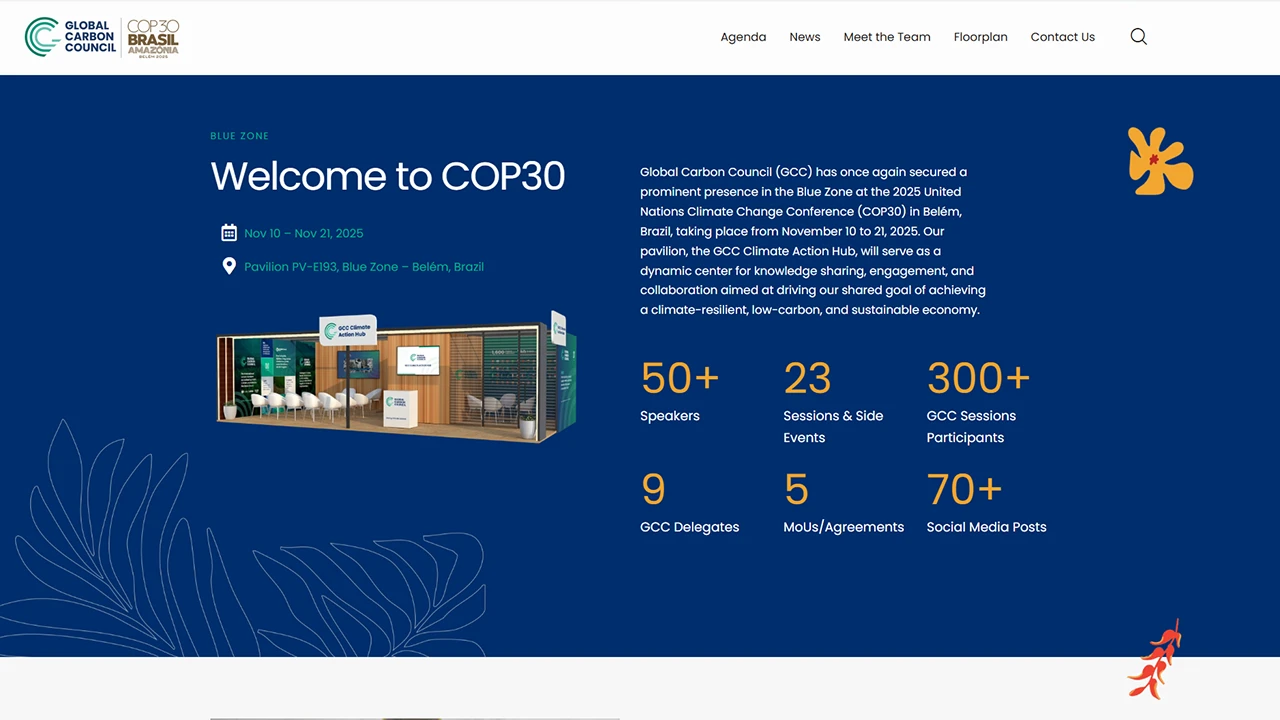
At COP30 in Belém, Brazil, the Global Carbon Council (GCC) actively participated by hosting a series of technical sessions, workshops, and engagement platforms that highlighted the role of high-integrity carbon markets, innovative methodologies, Nature based Solutions (NbS), new Climate Finance opportunities, and digital infrastructure in accelerating climate action. The events brought together over 50 expert speakers, with more than 300 participants joining online and in-person, creating a dynamic environment for knowledge sharing, discussion, and collaboration.
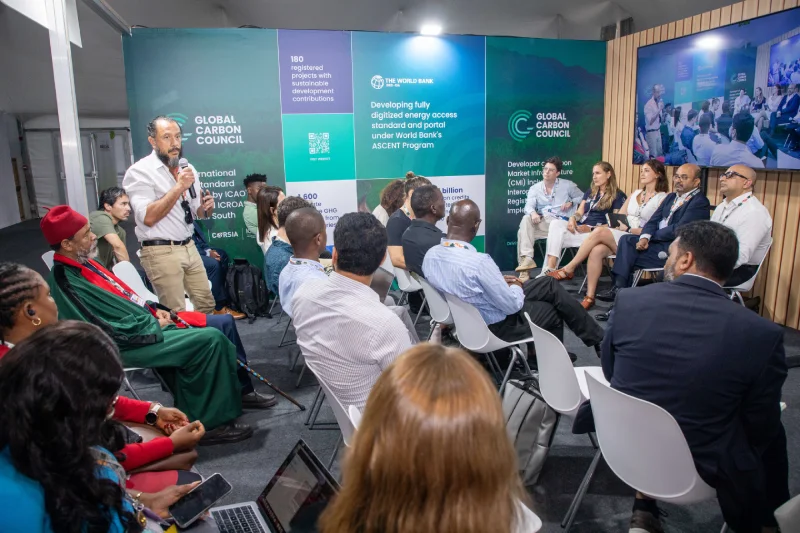
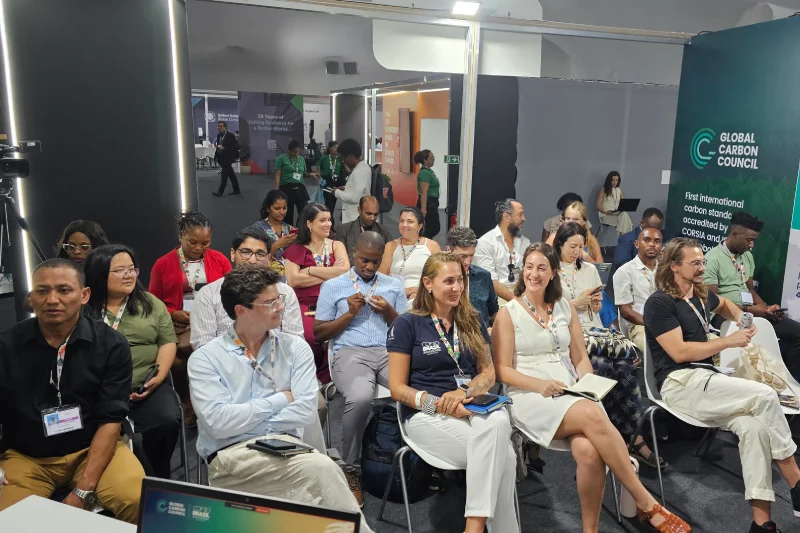
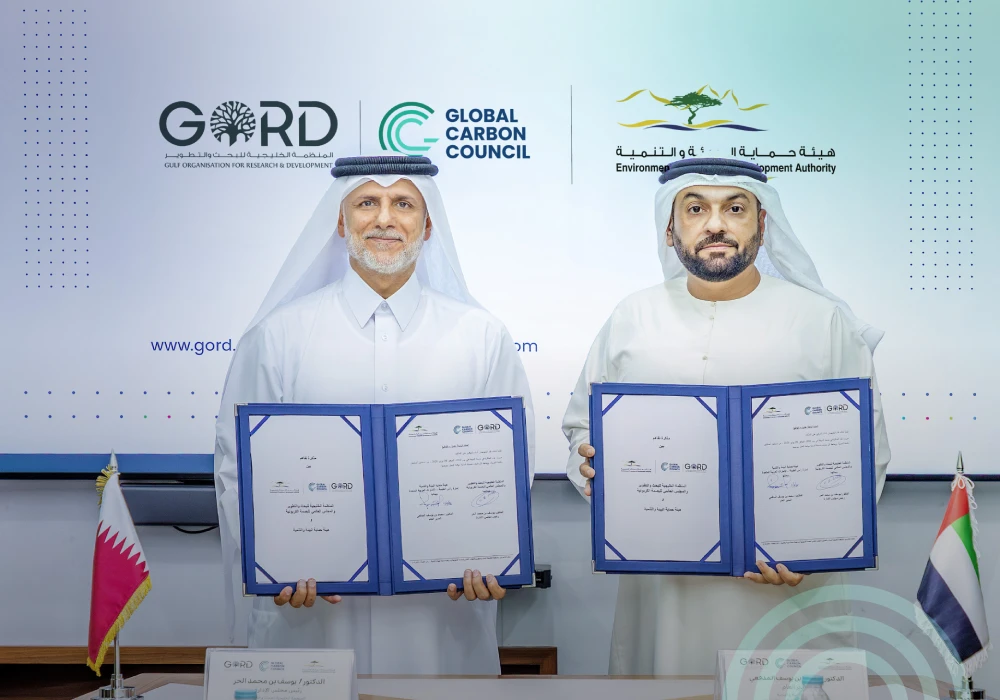
A key element of GCC’s engagement was strengthening strategic partnerships through, country onboarding for article 6.2, MoUs and Agreements. These collaborations included:
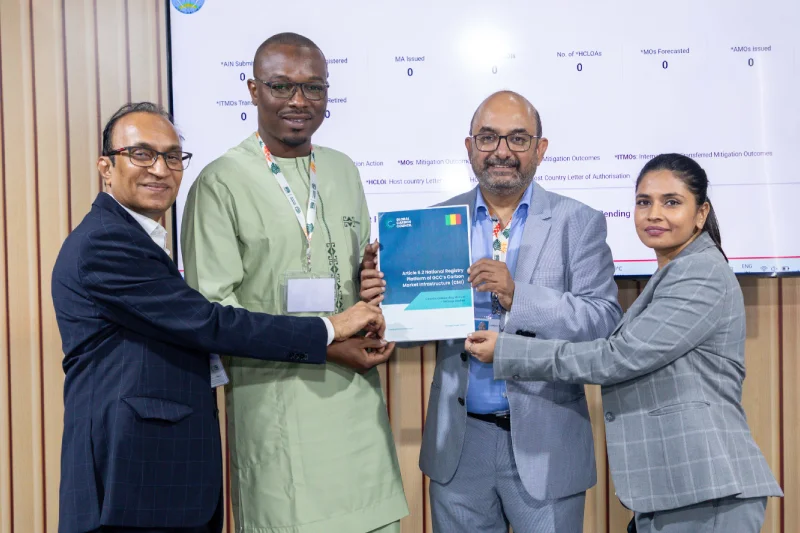
- Country Onboarding for article 6.2 – GCC team at COP30 successfully concluded the official onboarding process for countries with whom Memorandum of Agreement (MoA) had previously been signed, with handing over of official onboarding manual to the official representatives of Mauritania and Mali. Manual of third signatory country Nigar was shared through email.
- Misiones, Argentina – supporting provincial carbon policy, capacity-building, and adoption of GCC standards aligned with Article 6.2.
- Córdoba, Argentina – working on methodology adoption, stakeholder engagement, and carbon market development.
- ABEEólica, Brazil – advancing Brazil’s wind energy sector and the broader carbon market ecosystem under Article 6.2.
- Burkina Faso –operationalizing the national carbon registry with Implementation of GCC’s CMI Platform, supported bythe West African Alliance for Carbon Markets and Climate Finance (WAA), enabling transparent, credible carbon transactions.
- ISMA, India – facilitating high-integrity carbon credit generation and capacity-building for the sugar and bio-energy sector.
These partnerships demonstrated GCC’s commitment to linking local action with global markets, empowering countries, provinces, and industry sectors to participate in transparent, high-integrity carbon markets while generating measurable environmental and socio-economic benefits.
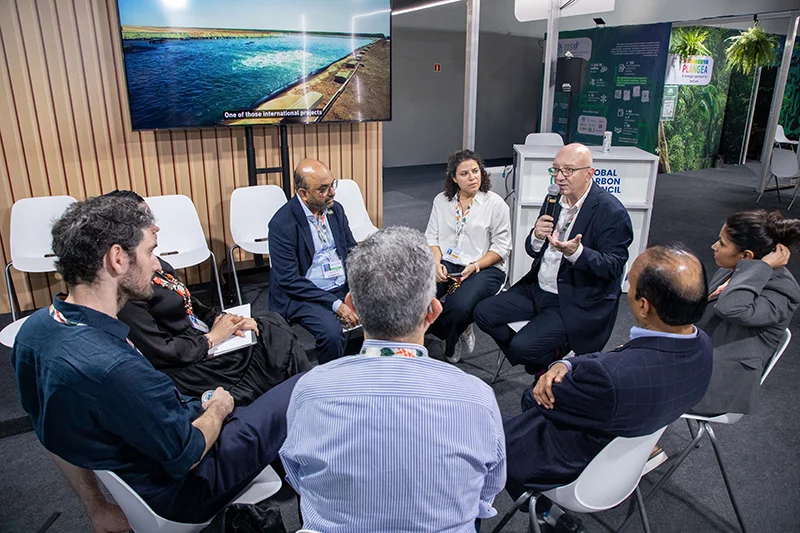
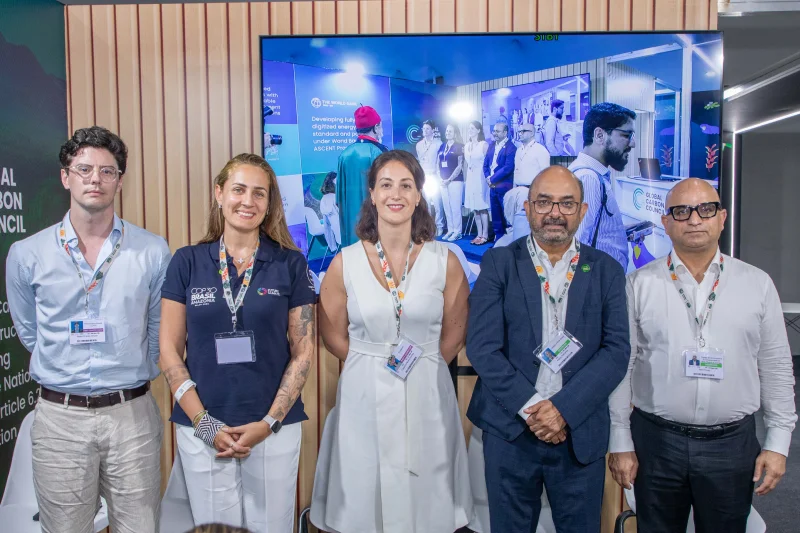
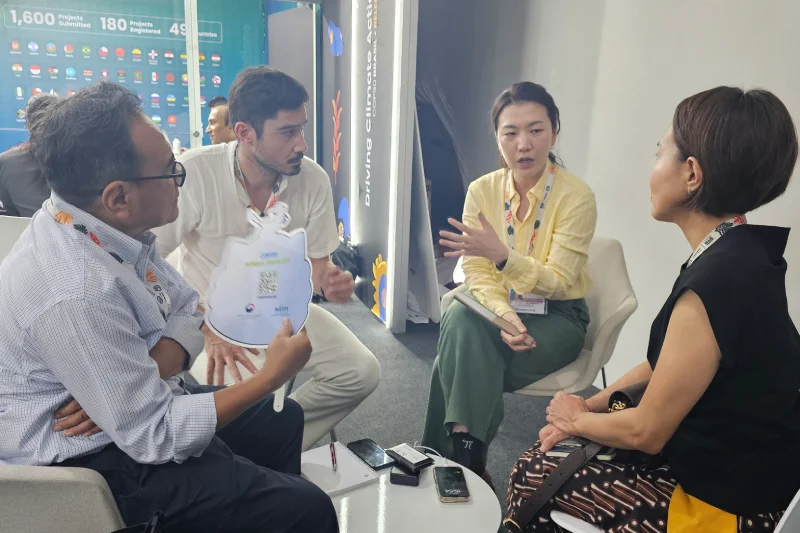
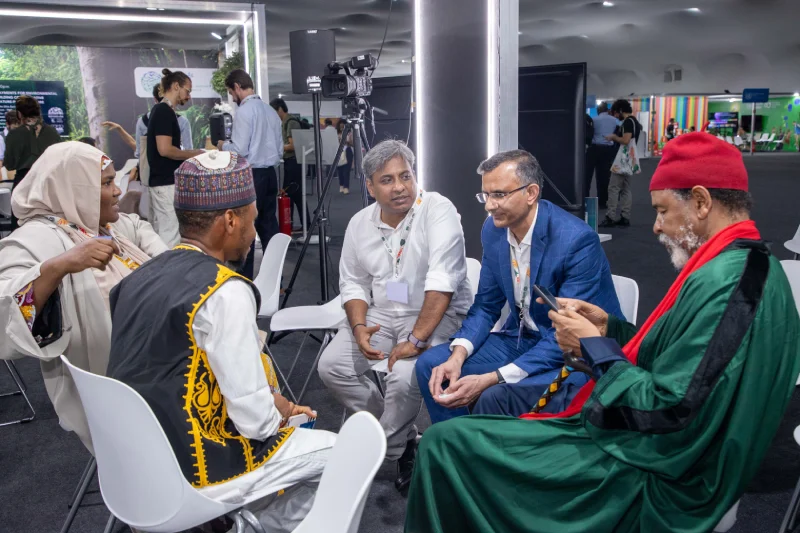
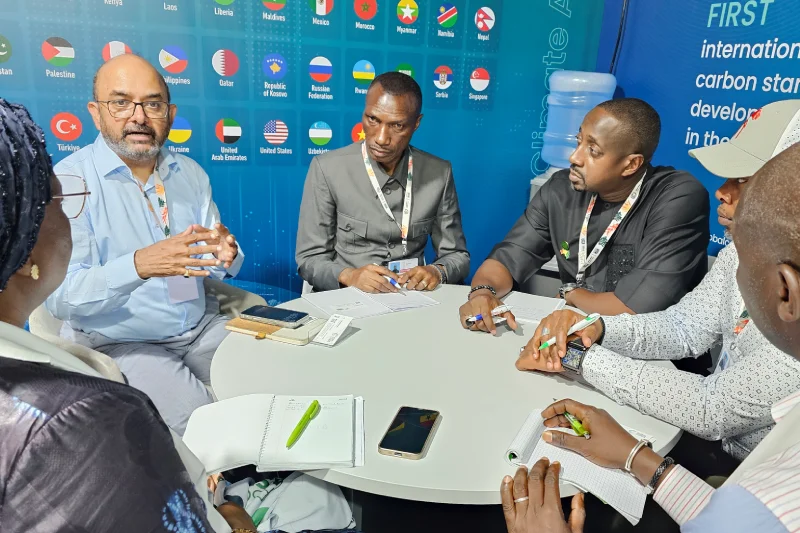
GCC also hosted the Integrated and Interoperable Carbon Market Infrastructure (CMI) workshops and the Bridging Domestic and Global Carbon Markets under Article 6.2 sessions —each held twice—to showcase how digital registries, standardized methodologies, and transparent governance can connect domestic and international markets and extending this Infrastructure to countries can accelerate the operationalization of Article 6.2 cooperative approaches of Paris Agreement. These sessions emphasized the importance of host country authorization, predictable processes, and interoperable digital systems in mobilizing climate finance and facilitating credible carbon transactions.
A key focus of COP30 was linking carbon markets with financial infrastructure. GCC’s Climate Finance through Tokenization and Project Finance session initiated the exploration of climate finance facility for GCC project owners in collaboration with JP Morgen and S& P Global. Tokenization was presented as a critical innovation for fractionalized transfers and new financial instruments, while maintaining registry integrity and enhancing liquidity.
The Digital MRV session explored innovations in real-time monitoring, IoT, AI, and distributed ledger technologies to ensure traceability, immutability, and compliance across diverse project types—from clean cooking to renewable energy and multi-asset developments—strengthening market trust and accelerating high-integrity project scaling.
GCC’s sessions on Accelerating Net Zero Journey through Scope 3 & contribution credits illustrated how high-quality carbon credits enable corporates to address complex value chain emissions with transparency, comparability, and alignment with emerging standards. Similarly, the High-Integrity Nature-Based Solutions session demonstrated how AI, remote sensing, and innovative financing approaches support forest restoration, mangrove monitoring, coastal and reef rehabilitation, and AI-enabled fire detection—delivering measurable environmental and socio-economic benefits.
In the industrial decarbonization space, the CCS and Low-Carbon Hydrogen session highlighted the role of carbon capture and storage and hydrogen technologies in hard-to-abate sectors, including aluminum, steel, and ammonia. Discussions focused on methodology development, permanence, safe storage, policy alignment, and financing strategies for large-scale deployment.
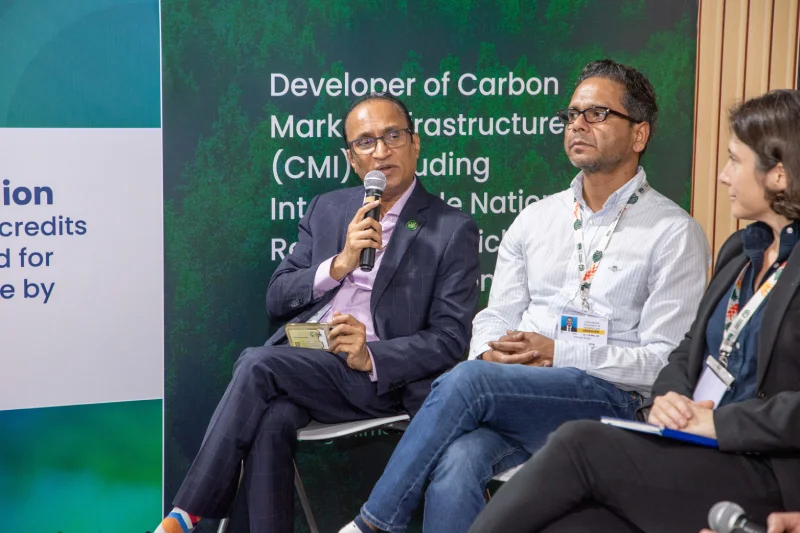
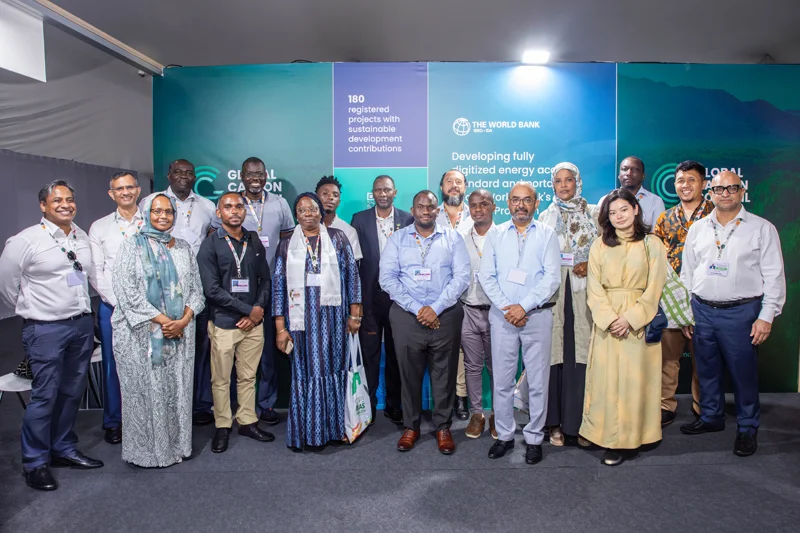
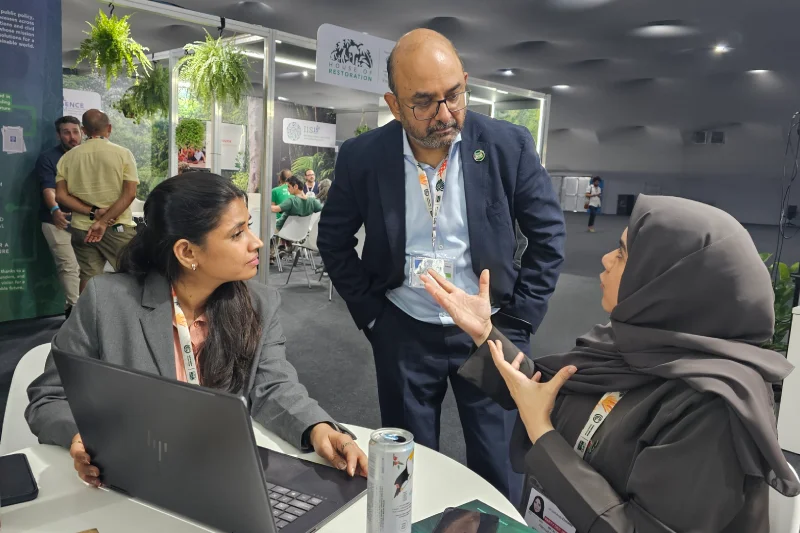
GCC also presented next-generation mitigation methodologies that extend beyond traditional offsets, covering building sector, grid-integrated storage, methane reduction in agriculture, biochar production, distributed renewables, and low-carbon hydrogen. GCC also discussed road map for alignment with ICVCM, CORSIA Phase 2, and Article 6.4 standards. These approaches integrate technology, local knowledge, and climate finance to deliver durable, verifiable, and scalable climate impact.
Throughout COP30, GCC’s combined focus on supporting countries for speedy operationalization of Article 6.2, MoUs, digital infrastructure, innovative methodologies, collaboration MoUs with relevant organizations supporting Climate Action, and market mechanisms demonstrated how high-integrity carbon markets can scale climate action, drive corporate and industrial decarbonization, and deliver real-world climate solutions.
“COP30 has reinforced high-integrity carbon markets, supported by rigorous methodologies and innovative digital infrastructure like our Carbon Market Infrastructure (CMI) Platform, are critical to accelerating global climate action. By connecting domestic and international markets, enabling transparent governance, and integrating technology, we can deliver real impact for communities, protect ecosystems, and scale solutions worldwide. The insights, collaborations, and knowledge shared at this event strengthen our commitment to building credible, actionable carbon markets that drive tangible progress toward a net-zero future.”
— Dr. Yousef Alhorr, Founding Chairman, GCC
“COP 30 helped GCC to intract with countries and wider stakeholders to discuss how futuristic , highly ambitious and high integrity market looks like. The digital MRV, tokenization and carbon finance facility and fully digitized CMI will help raise necessary carbon finance in voluntary, domestic and compliance (CORSIA and Art 6.2) markets of future. Highly skilled and dedicated GCC team is ready to deliver to the new challenges”
–Kishor Rajhansa, Chief Operating Officer mentioned
GCC’s engagement in Belém reaffirmed its approach of integrating innovation, governance, and partnerships to scale climate solutions, facilitate transparent carbon markets, and enable high-integrity climate action worldwide.